The Most Common Septic Problems Homeowners Face
Homeowners facing common septic problems often need repairs or replacements, and local service providers can help resolve these issues efficiently and reliably.
Homeowners in the area often encounter common septic problems that can disrupt daily life and lead to costly repairs if not addressed promptly. Recognizing the signs of issues like slow drains, foul odors, or pooling water near the septic system can help property owners stay ahead of more serious concerns. Exploring these common challenges provides practical insights into when professional septic repair or replacement services might be needed, ensuring the system functions smoothly and efficiently.
Understanding the most frequent septic problems also emphasizes the importance of working with experienced local contractors who specialize in septic system repairs and replacements. These professionals can diagnose issues accurately and recommend effective solutions tailored to the specific needs of each property. Continuing to read can help property owners learn more about potential signs of trouble and how local service providers can help restore the health of their septic systems.
- Septic tank replacement - homeowners experiencing persistent backups or tank failure may need a full replacement, and local contractors can handle the removal and installation efficiently.
- Septic tank repair - when signs of leaks, foul odors, or slow drains appear, local service providers can diagnose issues and perform necessary repairs to restore proper function.
- Drain field repair or replacement - if the drain field is failing, causing pooling or odors, local pros can evaluate and repair or replace the affected area to prevent further problems.
- Septic system inspection and maintenance - regular inspections can identify early signs of trouble, allowing local experts to recommend repairs or replacements before major issues develop.
- Septic system upgrade services - older systems may need upgrades to meet current standards or improve performance, with local contractors providing tailored solutions for each property.
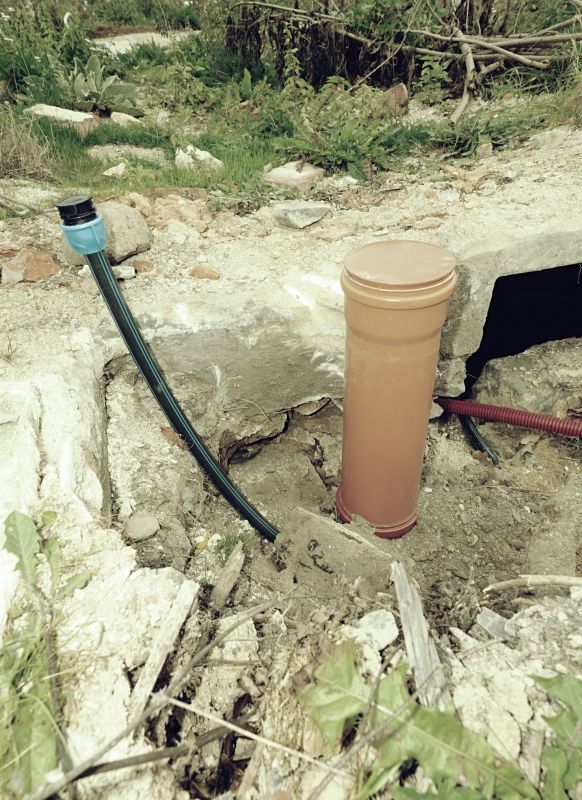
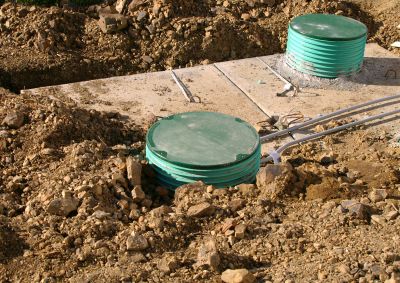
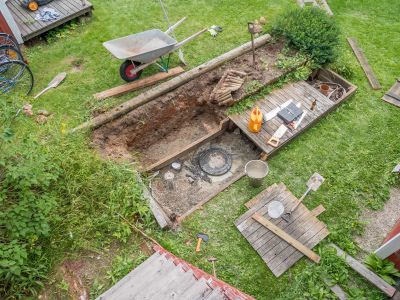
Understanding the most common septic problems homeowners face often begins with recognizing the signs of system failure or malfunction. Many property owners search for this topic when they notice issues like foul odors, slow-draining sinks, or backups in toilets and drains. These problems typically relate to the septic system’s inability to process waste efficiently, which can be caused by a variety of underlying issues such as clogged pipes, failing drain fields, or saturated tanks. Homeowners may also be concerned about the longevity of their existing system and whether repairs or replacements are necessary to prevent more serious damage or costly repairs down the line. Identifying these issues early can help property owners connect with local contractors who specialize in septic repair or replacement, ensuring the system functions properly and reduces the risk of property damage.
The problems associated with septic systems often tie into broader plans for property maintenance or upgrades. For example, homeowners might be planning a remodel or expansion that requires an assessment of their current septic capacity. Others may be dealing with recurring problems that indicate the need for a complete system overhaul. Common issues such as leaks, effluent surfacing, or persistent clogs can point to problems with the drain field or tank components. These concerns are especially relevant for properties that rely solely on septic systems rather than municipal sewer connections. Local service providers who handle septic repair or replacement are equipped to evaluate these problems in the context of ongoing property plans, helping homeowners determine whether repairs will suffice or if a full system replacement is the best solution.
The types of properties that typically encounter these septic problems include rural homes, suburban properties, and certain commercial or multi-unit residences that are not connected to municipal sewer lines. Rural homes often depend entirely on septic systems, making them more vulnerable to issues caused by aging infrastructure or improper maintenance. Suburban properties with larger lots may also face septic challenges when systems become overloaded or damaged over time. Commercial properties that rely on septic tanks for waste management can experience similar problems, especially if the system is not designed to handle higher volumes. Local contractors experienced in septic repair and replacement understand the unique needs of these different property types and can recommend appropriate solutions to restore proper function, whether through repairs or full system upgrades.
For homeowners facing the most common septic problems, understanding how these issues connect to their property’s specific needs is crucial. Many of these problems can be addressed through targeted repairs, but persistent or severe issues often require a system replacement. Local service providers who specialize in septic repair and replacement are familiar with the typical challenges faced by different property types and can help identify the root causes. They can also advise on the best course of action to ensure the system operates efficiently and reliably. By working with experienced contractors, homeowners can resolve their septic problems effectively and prevent future issues, ensuring their property remains functional and safe for years to come.
Drain field installation - involves planning and installing underground systems, similar to septic system repairs that require careful site assessment and proper trenching techniques.
Septic tank pumping and cleaning - requires understanding of waste management and the use of specialized tools, aligning with maintenance tasks for septic system troubleshooting.
Drain line repair and replacement - involves diagnosing and fixing underground piping issues, which is closely related to resolving septic system blockages or leaks.
Soil testing and site evaluation - essential for proper septic system placement, similar to assessing the ground conditions during septic system repair or replacement projects.
Backflow prevention installation - focuses on preventing contamination, paralleling efforts to prevent septic system failures and protect the home’s plumbing.
Utility trenching and excavation - involves digging and site preparation, skills that are directly applicable to septic tank installation or repair work.
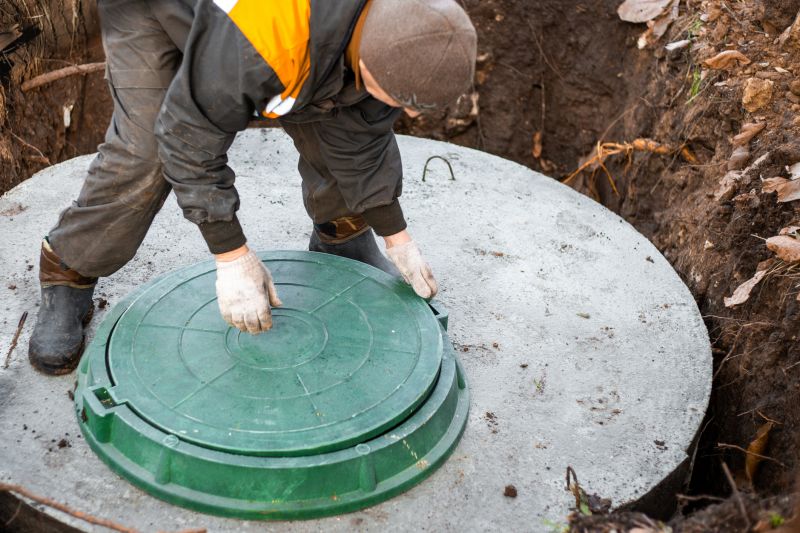
When comparing service providers for septic replacement or repair, it’s important to consider their experience with similar projects. Homeowners should look for local contractors who have a proven track record of handling septic issues comparable to the most common problems faced, such as clogs, system failure, or drain field issues. Experienced professionals are more likely to understand the nuances of different septic systems and can recommend effective solutions based on past work with similar challenges, helping to ensure the repair or replacement is completed efficiently and reliably.
Clear written expectations are a vital aspect of selecting the right service provider. Homeowners should seek out contractors who provide detailed estimates that outline the scope of work, materials to be used, and any potential additional costs. This transparency helps prevent misunderstandings and ensures everyone is aligned on the project’s goals. A reputable contractor will also be able to explain the process in plain language, making it easier to understand what to expect during the repair or replacement, which can lead to a smoother experience overall.
Good communication and reputable references are essential when evaluating local service providers. Homeowners should ask for references or reviews from previous clients who had similar septic issues addressed. Reliable contractors are often willing to share this information and can demonstrate a history of satisfied customers. Open lines of communication during the project-such as timely responses to questions and updates on progress-are also indicators of professionalism. Choosing a provider who communicates clearly and has positive references can help ensure the project proceeds smoothly and meets expectations.
Property owners often search for the most common septic problems homeowners face when they are planning practical projects around their homes and businesses. Local pros provide Septic Replacement or Repair services for everyday jobs and straightforward project options.
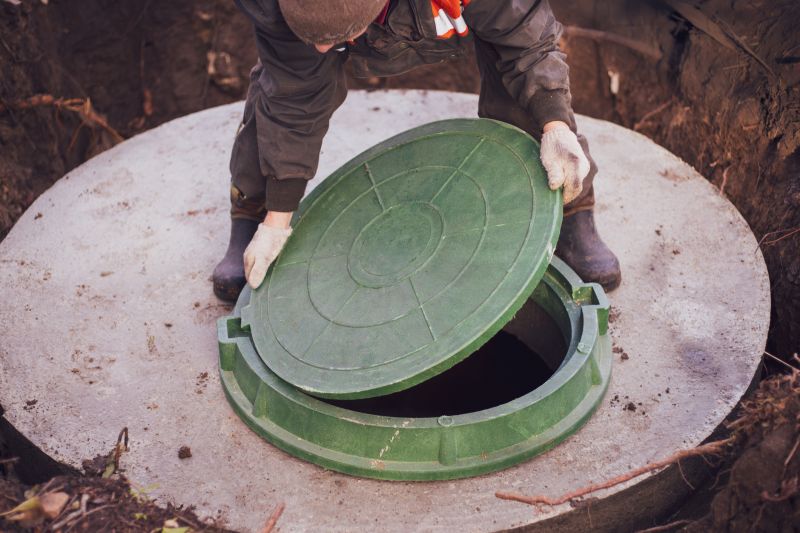
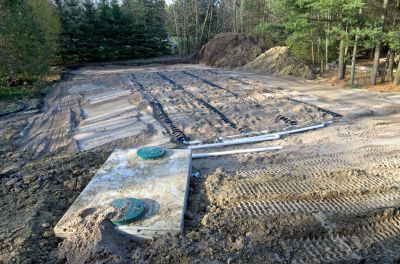
Homeowners in the area often encounter common septic problems that can disrupt daily routines and lead to costly repairs if not addressed promptly. Issues such as slow-draining toilets, gurgling sounds in the plumbing, or unpleasant odors are typical signs of septic system troubles. These problems usually stem from clogs, overuse, or aging components within the septic tank or drain field. When such issues arise, property owners frequently seek the expertise of local service providers who can diagnose the root cause and recommend appropriate repair or replacement solutions to restore proper system function.
Understanding the most common septic problems helps homeowners recognize when professional help is needed. For example, persistent backups or standing water around the septic area might indicate a failing tank or damaged drain field. In these situations, local contractors who specialize in septic repair and replacement can assess the situation and perform the necessary work to prevent further damage. Connecting with experienced service providers ensures that septic issues are handled efficiently and effectively, minimizing inconvenience and protecting the property’s overall plumbing health.
What are common signs of septic system problems? Homeowners may notice unpleasant odors, slow draining fixtures, or standing water around the septic tank area, which can indicate issues needing repair or replacement by local contractors.
Why does a septic system fail prematurely? Common causes include improper maintenance, excessive water usage, or system overload, which local service providers can help address through repairs or upgrades.
How can I prevent septic system backups? Regular inspections, pumpings, and avoiding flushing non-biodegradable items can reduce the risk of backups, with local pros providing the necessary services.
What causes septic tank leaks or cracks? Age, soil movement, or improper installation can lead to leaks or cracks, which local contractors can repair or replace to prevent further damage.
When should a septic system be replaced instead of repaired? If the system is extensively damaged, outdated, or repairs become too frequent, local service providers can perform a full replacement to ensure proper function.
Identifying Drain Field Issues - Homeowners can recognize signs of drain field failure, prompting them to seek septic repair services from local contractors to prevent further damage.
Managing Wastewater Buildup - Proper waste disposal practices can help reduce strain on septic systems, encouraging property owners to work with local pros for system inspections and repairs.
Addressing Odor Problems - Persistent odors may indicate septic problems, leading homeowners to contact local service providers for diagnosis and necessary repairs or replacements.
Preventing System Clogs - Regular maintenance and mindful waste management can minimize clogs, with local contractors providing services to replace or repair clogged septic components.
If you are thinking about the most common septic problems homeowners face for a property, this guide is meant to help you understand this topic, the typical project types, and how different options might fit your plans.
When you are ready, you can use the quote form on this page to share a few details about your project. From there, local pros can review the basics and follow up with options that match what you have in mind.